The Agency Tax: Red Flags Before You Sign
I’ve spent the last few years talking to CEOs and CTOs who’ve been burned. Not annoyed. Not mildly disappointed. Burned. Seven-figure contracts that delivered nothing but broken products, technical debt, and massive bills.
The pattern is consistent with the traditional agency model. It has structural problems. Here’s what to watch for and why it keeps happening.
Red Flag #1: The Discovery Trap

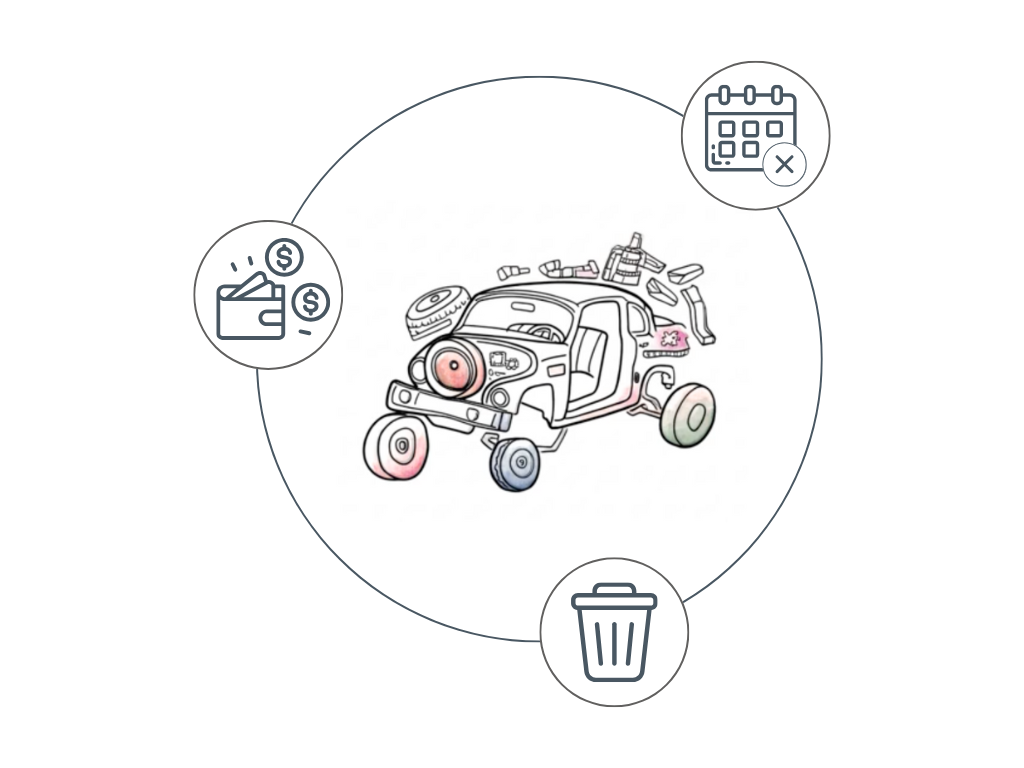
You sign the contract. They schedule a kickoff. Then you spend 3-6 months in “discovery”. Workshops, wireframes, endless stakeholder interviews, and scope documentation. Meanwhile, 10-20% of your budget evaporates before a single line of code is written.
This isn’t careful planning. It’s the agency playbook for de-risking their delivery. They need months to staff the team, figure out what you actually want, and build enough documentation to cover themselves when timelines slip.
The real damage? Your market window closes while you’re debating user flows. Your competitor ships. Momentum dies before the product exists.
We’ve watched companies burn entire quarters in discovery hell, only to realize the agency still didn’t understand the business problem when development finally started.
Red Flag #2: The Overhead Tax

You think you’re paying for engineers to build your product. You’re not.
45% of your budget goes to non-engineering overhead: project managers, account managers, scrum masters, business analysts, design leads who don’t design, tech leads who don’t code. You’re funding their org chart, not your product.
Then there’s the markup. Agencies typically run a 2x cost multiplier. If an engineer costs them $100/hour, you’re paying $200. You’re subsidizing their bench, their sales team, their luxe office.
Every dollar you spend, only 55 cents goes toward people actually building. The rest is bureaucracy tax.
Red Flag #3: The Scalability Cliff
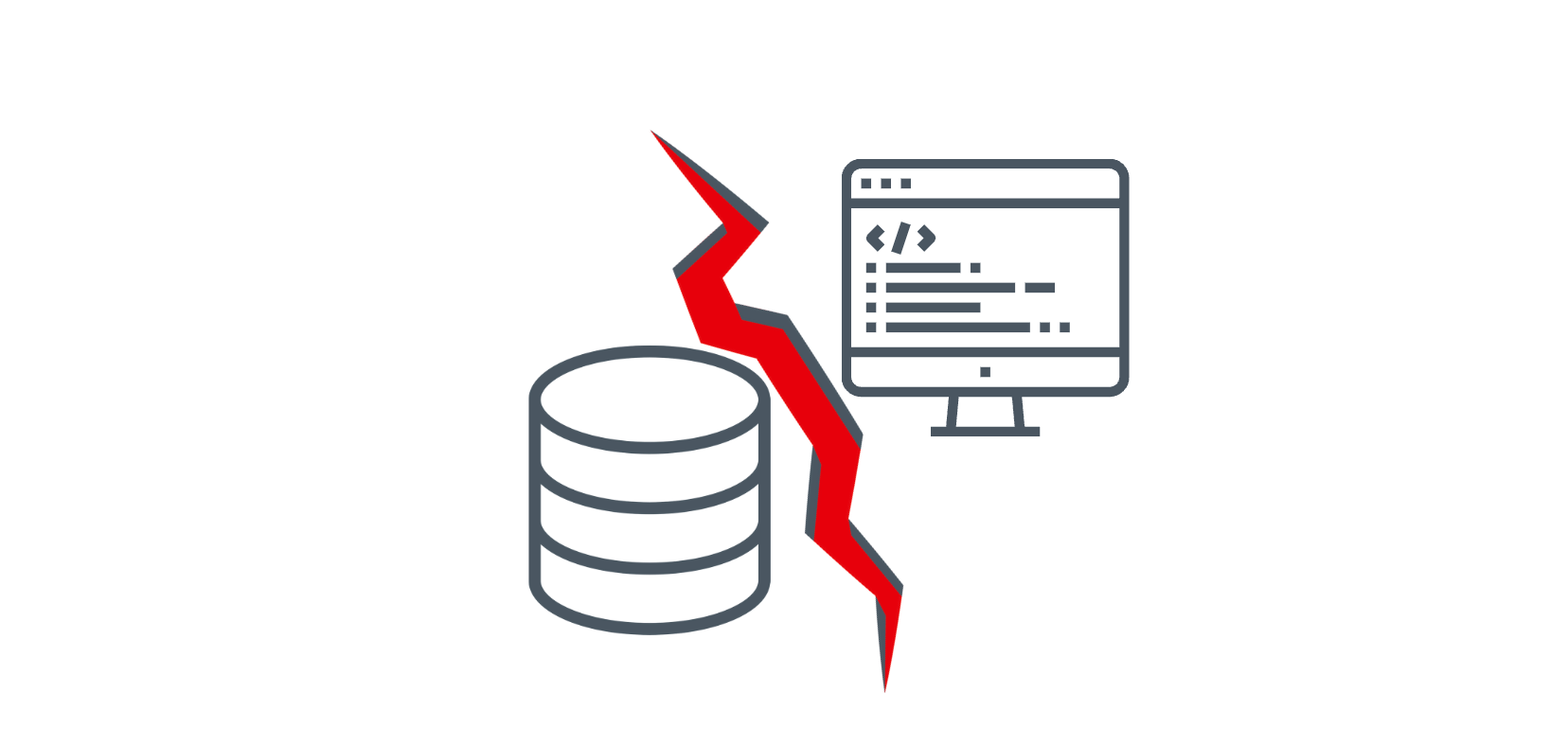
They deliver the MVP. It works in demo. You launch. Then as you get traction, the system collapses and is riddled with bugs.
The database can’t handle 1,000 concurrent users. The API timeouts spike. The authentication layer has race conditions. You’re staring at 70% technical debt and a complete rewrite that costs 3x the original build.
This happens because agencies optimize for contract delivery, not production durability. They typically build the happy paths. But real users work in unpredictable ways. Bugs are fixed whack-a-mole. Complexity is introduced without consideration for maintainability.
The product you paid for is a prototype dressed up as production code. The moment you succeed, you’re stuck with a mountain of debt.
Why This Keeps Happening
The traditional agency model is built on three compromises:
-
Compromising on talent. You don’t get the A-team. You get whoever’s available on their bench. Mid-level developers managed by someone who’s juggling three other clients. The engineers who’ve actually built what you’re trying to build? They don’t have them on their team or they’re on the Fortune 500 account.
-
Compromising on speed. Agencies burn months in discovery, debating scope while your market window closes. They’re not optimized for momentum—they’re optimized for billable hours and risk mitigation.
-
Compromising on quality. The final product is fragile. It works today but can’t handle tomorrow. The moment you get traction, you face a costly rewrite or get stuck paying the agency to keep it alive.
A Better Way: The Forward-Deployed Strike Team
Here’s what actually works.
-
Senior engineers who’ve done this before. Not a rotating cast of mid-level developers. Ex Google/Oracle engineers who’ve shipped B2B and B2C products to millions of users. We build with incredible velocity. With high quality code. And absolutely no slop!
-
Immersion, not discovery theater. We shadow your process, your product, your workflows. We don’t spend months documenting requirements—we embed with your team, understand the business problem, and start building. Fast feedback loops. Real progress.
-
Built for your growth. Without over-engineering, we employ a fluid architecture that allows you to scale when you need to grow. No costly rewrites when you hit traction.
When we rebuilt SDC’s clinical trial intelligence platform, we replaced 12 disconnected tools with a unified system in four months. Not because we worked longer hours. Because we had senior engineers who knew exactly what to build, made opinionated architecture decisions, and didn’t waste time in coordination overhead. No project managers. No discovery phase. No bloat. Just builders who’ve done this before, moving fast.
Before you sign that SOW, ask yourself: Am I paying for elite engineering execution, or funding someone’s org chart?